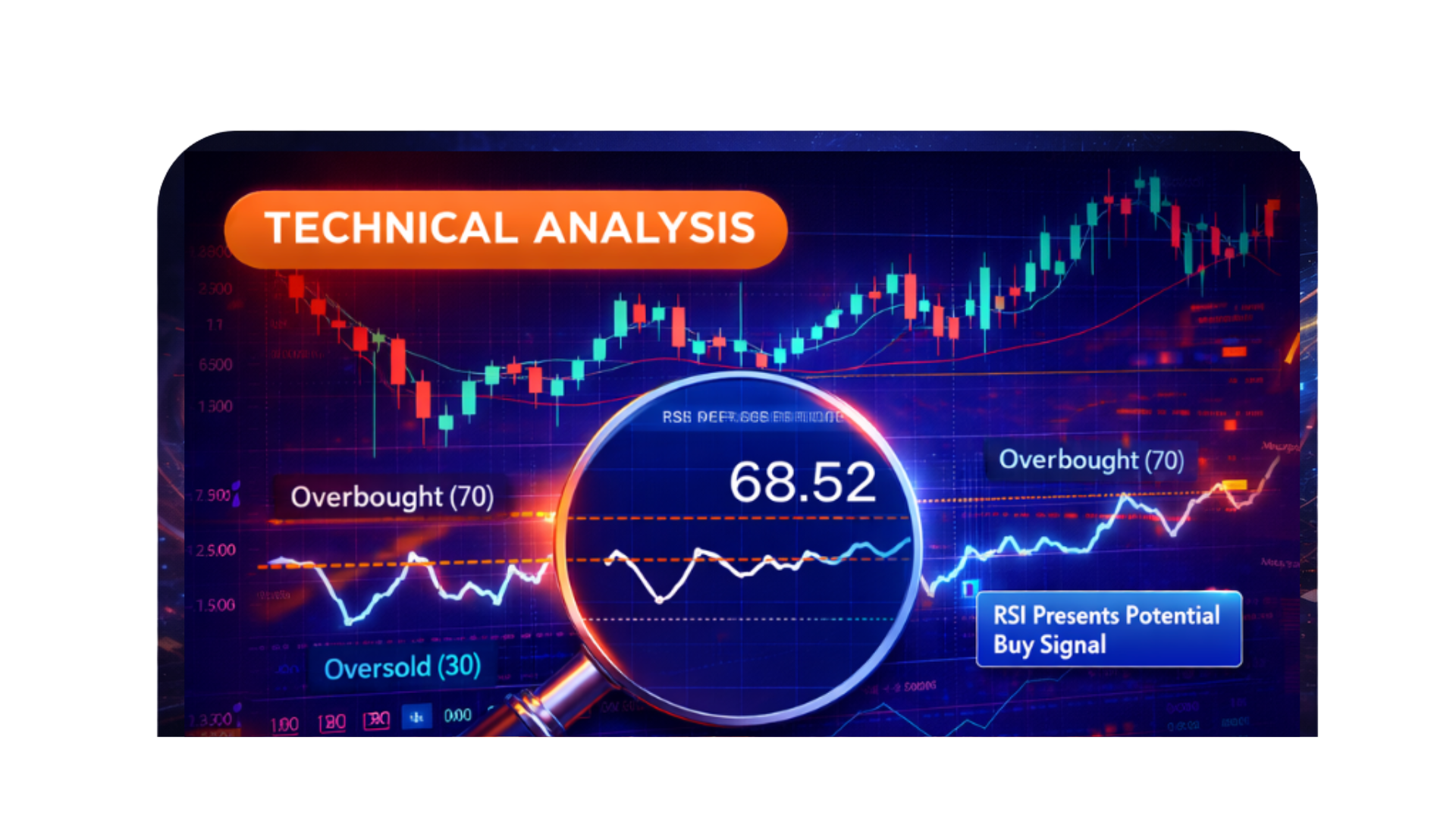










Beginner Guide to Forex Trading
This Beginner Guide to Forex Trading explains how the currency market works and how beginners can start with stronger foundations.

What Is Forex Trading? Beginner Guide to Forex Trading Basics
Forex trading is the buying of one currency while selling another through the global foreign exchange market. It is the largest financial market in the world, with trillions of dollars traded each day. Banks, institutions, multinational companies, and retail traders all participate in this market.
Unlike many traditional markets, forex trading runs across major sessions including London, New York, Tokyo, and Sydney. This gives traders access to opportunities across different time zones.
This Beginner Guide to Forex Trading starts with one simple idea: traders aim to profit when one currency rises or falls against another.
Currency Pairs in This Beginner Guide to Forex Trading
Currencies are always traded in pairs such as EUR/USD, GBP/USD, USD/JPY, and AUD/USD. The first currency is the base currency, while the second is the quote currency.
If EUR/USD moves higher, the euro has strengthened against the US dollar. If it falls, the dollar has strengthened. Major pairs are popular because they often have strong liquidity and tighter spreads.
Pips, Spreads and Leverage Explained
A pip is a common unit used to measure price movement in forex. In many currency pairs, one pip is the fourth decimal place. Small movements can still create gains or losses depending on position size.
The spread is the difference between the buying price and selling price. Lower spreads can help reduce costs. Leverage allows traders to control larger positions with smaller capital, but it also increases risk.
Risk Management in This Beginner Guide to Forex Trading
Risk management is one of the most important lessons in any Beginner Guide to Forex Trading. Protecting capital allows traders to stay in the game long enough to improve.
- Use stop-loss orders.
- Risk only a small percentage per trade.
- Avoid emotional revenge trading.
- Use leverage carefully.
- Review trades consistently.
How to Start With Beginner Guide to Forex Trading Principles
Many beginners begin with a demo account before using live funds. This allows practice with charts, order types, and trading platforms without real market exposure.
A trading plan can define preferred pairs, entry rules, exit rules, and daily risk limits. Consistency often matters more than constant activity.
Learning technical analysis, understanding economic news, and controlling emotions can all improve long-term progress.
Final Thoughts on Beginner Guide to Forex Trading
This Beginner Guide to Forex Trading gives new traders a clear starting point. By learning currency pairs, pips, spreads, leverage, and risk management, beginners can approach the market with stronger expectations.
Long-term success often comes from discipline, patience, and steady improvement rather than shortcuts.
Start Trading with Best Wing Global
Access MetaTrader 5, advanced charting tools and global forex opportunities designed for modern traders.

Mastering Bull and Bear Markets

Forex vs Stocks
What Is CFD Trading?