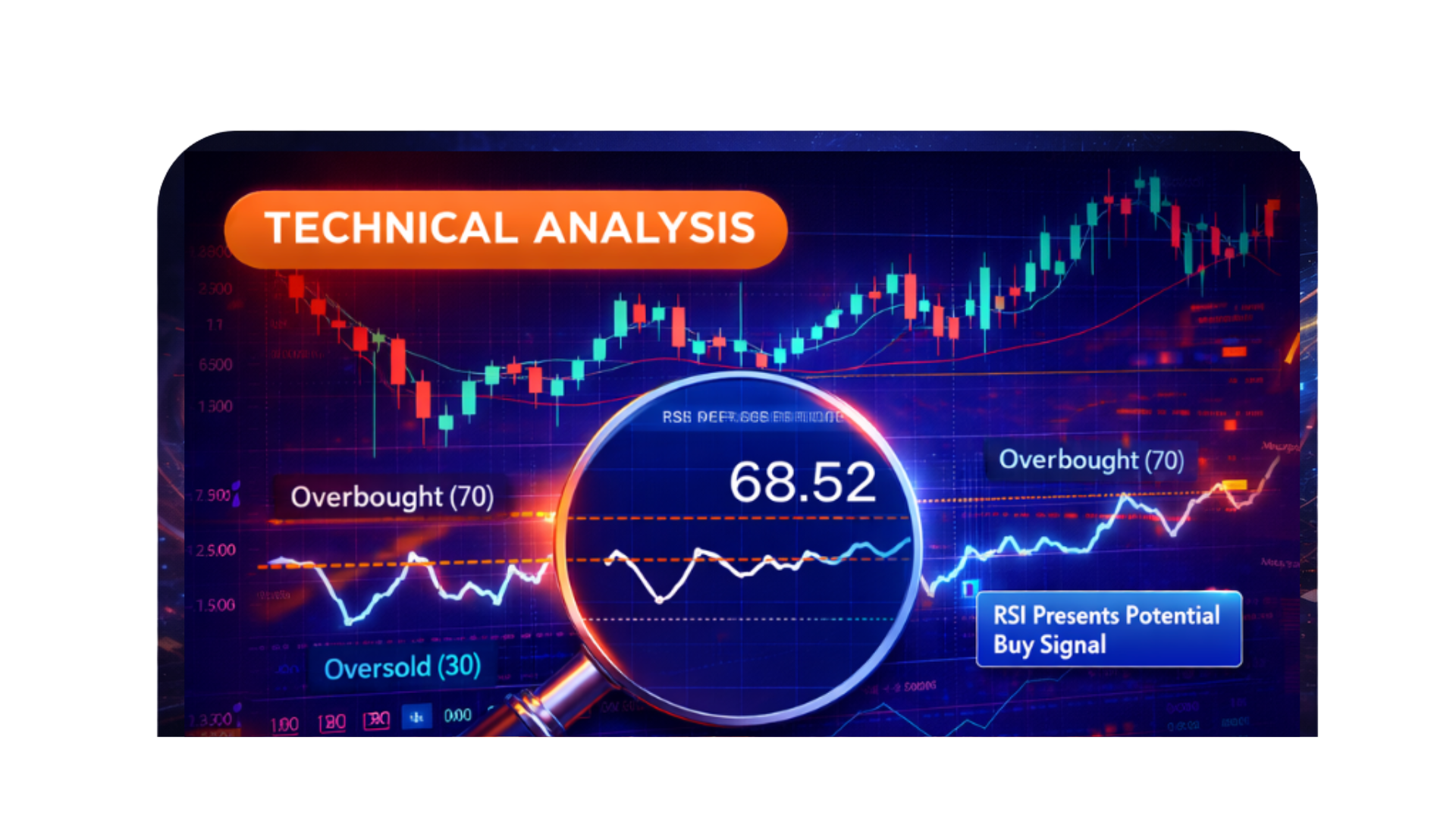
How To Read Candlestick Charts
Learn how traders analyse candlestick charts, identify momentum, understand market sentiment and recognise common price patterns used across forex and CFD markets.
Introduction
Candlestick charts are one of the most widely used tools in financial markets because they provide a clear and practical way to understand price movement. Instead of only showing where price ended, candlestick charts reveal how buyers and sellers behaved throughout a selected period of time.
This is why candlestick charts are used by forex traders, CFD traders, stock investors and professional analysts around the world. They can help traders identify momentum, hesitation, possible reversals and continuation trends in a fast visual format.
For beginners, learning candlestick charts is often one of the first important steps into technical analysis. Once understood, candlesticks can offer valuable context when combined with sound risk management and patience.
What Is a Candlestick?
Each candlestick represents a chosen timeframe. This may be one minute, fifteen minutes, one hour, four hours or one day depending on the chart settings.
- Open: First traded price in that timeframe.
- High: Highest price reached.
- Low: Lowest price reached.
- Close: Final traded price before the candle closes.
The thick middle section is called the candle body. Thin lines above or below the body are known as wicks or shadows. These show how far price moved outside the opening and closing range.
Bullish vs Bearish Candles
A bullish candlestick closes above its opening price and often suggests stronger buying pressure. A bearish candlestick closes below its opening price and may indicate stronger selling pressure.
One candle alone does not always provide enough information. However, a sequence of bullish or bearish candles can often reveal broader market sentiment.
Popular Candlestick Patterns
- Doji: Open and close are close together, often showing indecision.
- Hammer: Small body with a long lower wick, sometimes seen near reversals.
- Engulfing: One candle fully covers the previous candle body.
- Shooting Star: Long upper wick suggesting rejection higher.
- Morning Star: Three-candle bullish reversal setup.
How Traders Use Candlestick Charts
Candlestick charts are commonly used to time entries and exits. A trader may wait for a bullish candle near support before entering a long position. Another trader may look for bearish rejection near resistance before considering a short trade.
They are also combined with indicators such as moving averages, RSI, MACD or volume analysis. Candlesticks alone can be useful, but combining them with wider market context often improves decision-making.
Trading Tips for Beginners
- Focus on quality setups rather than every candle.
- Use stop-loss orders to manage downside risk.
- Wait for confirmation instead of guessing reversals.
- Use risk management on every trade.
- Practise on demo accounts before trading live funds.
- Review previous trades to improve consistency.
Final Thoughts
Candlestick charts remain one of the most practical and accessible tools for traders of all experience levels. They help reveal momentum, sentiment and price structure in a format that becomes easier to read with practice.
By learning candle structure, bullish and bearish behaviour, and common patterns, beginners can build a stronger trading foundation over time.
With regular practice, candlestick chart reading can become a valuable part of a long-term trading strategy.
Trade with Best Wing Global
Access MetaTrader 5, advanced charting tools and global market opportunities designed for modern traders.
Mastering Bull and Bear Markets

Forex vs Stocks
What Is CFD Trading?