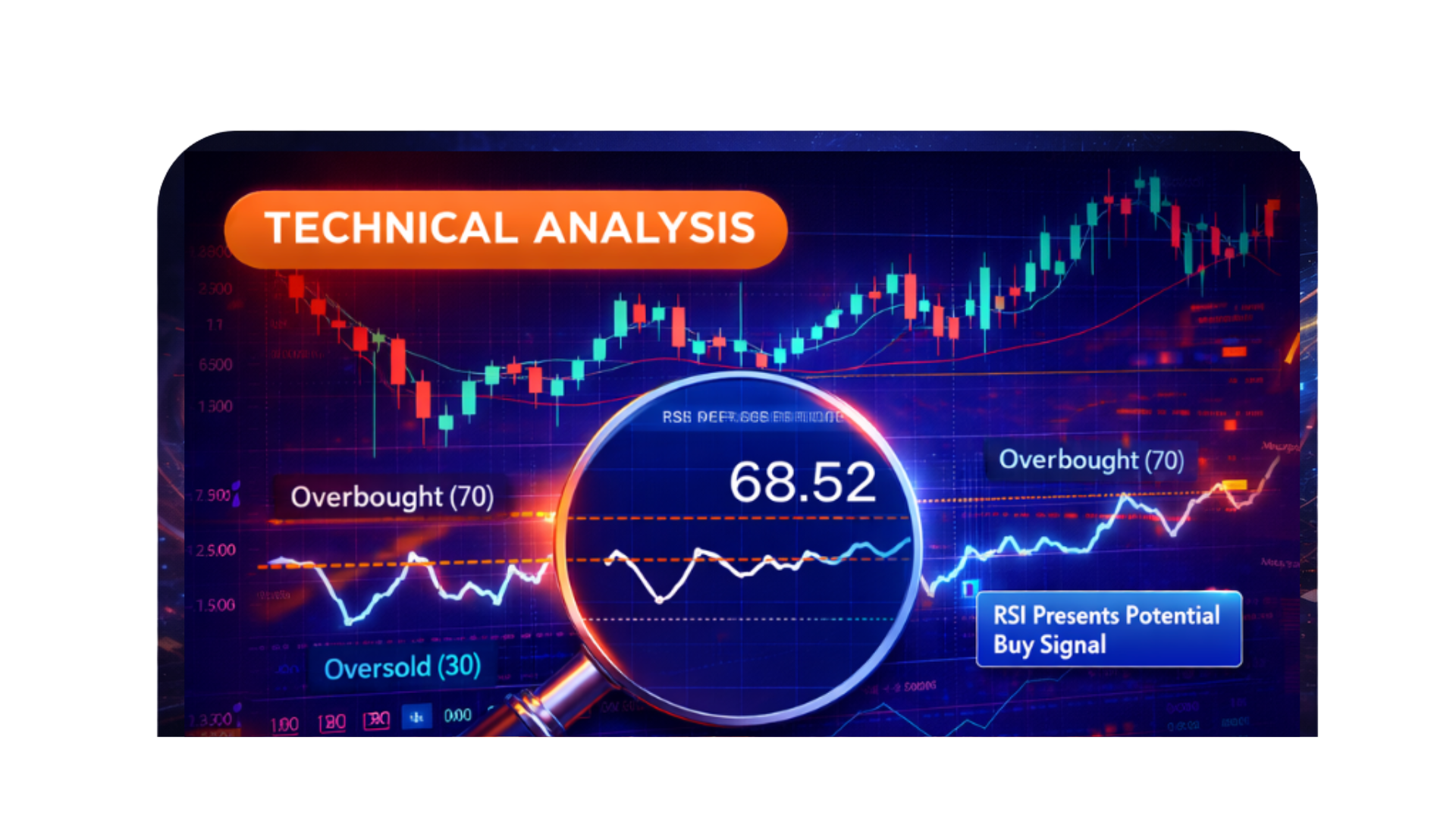











Swing Trading vs Day Trading
Compare two popular trading styles and discover which approach may better suit your time, personality, and trading goals.
Swing Trading vs Day Trading: Introduction
The discussion around swing trading vs day trading is common among traders looking to choose a strategy that matches their schedule and mindset. Both styles aim to profit from price movement, but they differ in pace, holding period, and decision-making.
Some traders enjoy fast execution and active sessions. Others prefer patience, broader setups, and fewer trades. The best choice often depends on lifestyle and discipline.
Swing Trading vs Day Trading: What Is Day Trading?
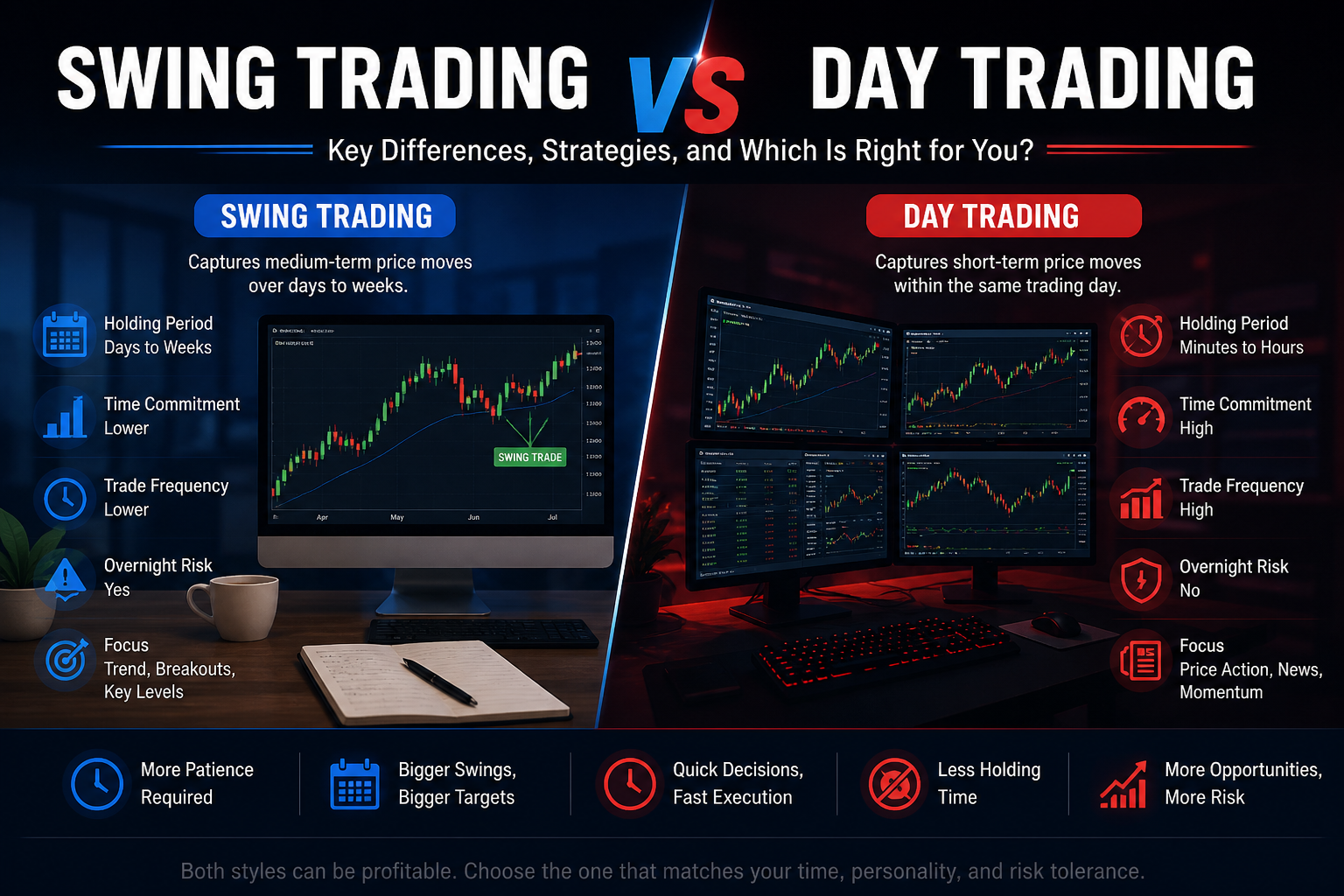
Day trading involves opening and closing trades within the same trading day. Positions are usually not held overnight.
Day traders often focus on:
- Short-term charts
- Momentum moves
- Intraday volatility
- News-driven setups
Swing Trading vs Day Trading: What Is Swing Trading?
Swing trading means holding positions for several days or weeks in order to capture larger market swings.
Swing traders often use:
- 4-hour and daily charts
- Trend analysis
- Breakout setups
- Support and resistance zones
Swing Trading vs Day Trading: Main Differences
Swing Trading vs Day Trading: Time Commitment
Day trading often requires several focused hours per session. Swing trading may only require occasional chart reviews.
Swing Trading vs Day Trading: Trade Frequency
Day traders may place several trades in one day. Swing traders usually place fewer trades and hold them longer.
Swing Trading vs Day Trading: Overnight Risk
Day traders often close positions before market close. Swing traders may hold trades overnight and face news-related gaps.
Swing Trading vs Day Trading: Stress and Pace
Day trading can feel intense and fast-paced. Swing trading may feel calmer, but patience is essential.
Swing Trading vs Day Trading: Costs
Frequent trading may increase spreads or commissions. Swing trades may involve financing costs depending on the asset.
Swing Trading vs Day Trading: Which Is Better?
There is no universal winner in the swing trading vs day trading comparison.
Swing trading may suit traders who:
- Have limited daily time
- Prefer slower decisions
- Want fewer trades
- Like broader market analysis
Day trading may suit traders who:
- Can commit daily screen time
- Enjoy fast action
- Prefer no overnight exposure
- Can stay disciplined under pressure
Swing Trading vs Day Trading: Risk Management
Both styles require clear risk management. Traders often use stop losses, position sizing, and predefined rules to protect capital.
Without risk control, even a good strategy can fail.
Swing Trading vs Day Trading: How to Choose
- How much time can you commit?
- Do you prefer speed or patience?
- Can you manage emotions under pressure?
- Are you comfortable holding overnight?
- Which style feels natural to you?
Your answers can help identify the most suitable approach.
Swing Trading vs Day Trading: Final Thoughts
When comparing swing trading vs day trading, both methods offer opportunities and challenges. Day trading can be active and dynamic, while swing trading may offer flexibility and a steadier pace.
Many traders test both styles in a demo environment before committing. Long-term success usually comes from discipline, patience, and consistent execution.
Learn Smarter With Best Wing Global Academy
Explore practical trading education, beginner guidance, and market insights designed for long-term growth.

精通牛熊市

外汇与股票
什么是差价合约交易?